
Home Design Ideas: Creating Multi-Functional Spaces for Modern Living
- Team Planet Construction

- Mar 30
- 6 min read

As homes continue to evolve with changing lifestyles, the demand for multifunctional home design has grown significantly. Whether it is working from home, accommodating guests, or optimizing limited space, homeowners today are looking for practical ways to make every room more efficient.
Multifunctional spaces offer a smart solution by allowing a single area to serve multiple purposes without compromising comfort or design. From living rooms that double as workspaces to bedrooms with built-in storage and study areas, thoughtful planning during renovation can completely transform how a home functions. This approach is becoming a core part of home design interior strategies.
In this guide, we explore how to design and build multi-functional spaces during renovation, along with practical ideas, design principles, and planning strategies to help you make the most of your space while improving your overall home design.
What is Multifunctional Home Design?
Multifunctional home design focuses on creating spaces that serve multiple purposes without compromising comfort or aesthetics. It allows a single area to adapt to different needs, such as a living room functioning as both a workspace and a guest room.
This approach is especially valuable in modern homes where space is limited and efficiency is essential.
Key Practices of Multifunctional Home Design
To create effective multi-functional spaces, certain principles should be considered during the renovation process and integrated into your overall home design plans:
Smart space planning: Understanding how the space will be used throughout the day helps create a layout that supports multiple functions efficiently
Flexibility and adaptability: Designing layouts and selecting furniture that allow smooth transitions between different uses
Minimalism and decluttering: Keeping the space clean and organized to ensure better usability and seamless functionality
Utilizing vertical space: Incorporating wall-mounted shelves, cabinets, and foldable units to free up floor area
Hidden storage solutions: Using built-in storage, under-bed drawers, and concealed compartments to maintain a clutter-free environment
By incorporating these principles during the design and construction phase, you can create spaces that are both functional and visually efficient.
To better understand how to apply these concepts, let’s explore practical multifunctional design ideas for different areas of your home:
1. Living Room Multi-Functional Ideas
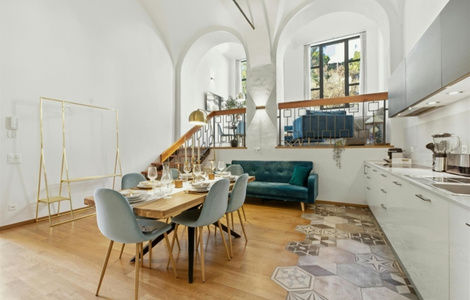
The living room is one of the most versatile areas in any home and can be easily transformed into a multi-purpose space with the right design choices, making it a key focus area in home design.
To make the most of this space, consider the following practical ideas:
Plan electrical points and data connections in advance to support a home office setup
Integrate built-in wall units or custom cabinetry for organized storage without occupying floor space
Use a sofa bed or foldable bed system that can be seamlessly incorporated into the layout
Design false ceilings with layered lighting to support different use cases such as work, relaxation, and entertainment
Ensure adequate circulation space in the layout to avoid overcrowding when furniture is in use
Use sliding panels or subtle partitions if partial zoning is required
With the right setup, your living room can seamlessly adapt to multiple needs without compromising comfort or style.
2. Bedroom Multi-Functional Ideas

Bedrooms can be designed to serve more than just sleeping needs and, with thoughtful planning, can support both rest and productivity.
Here are some simple ways to get started:
Allocate space for a built-in or fold-down workstation without disturbing the primary layout
Design custom wardrobes with integrated storage solutions to maximize space utilization
Incorporate under-bed storage or hydraulic beds during installation
Plan lighting zones for reading, working, and resting to enhance usability
Utilize wall niches or recessed shelving to add storage without bulk
Position furniture strategically to maintain openness and ease of movement
A well-designed bedroom ensures that functionality is added without disturbing the sense of calm and relaxation while maintaining a balanced home design.
3. Kitchen Multi-Functional Design

The kitchen is no longer just a cooking space and often serves as a functional hub within the home.
To enhance its usability, you can incorporate the following design elements:
Combine kitchen and dining layouts during planning to optimize available space
Install an island or breakfast counter with proper plumbing and electrical provisions.
Use modular cabinetry with pull-out systems to improve accessibility and organization
Incorporate vertical storage and full-height cabinets for better space utilization
Plan appliance placement carefully to maintain workflow efficiency
Ensure proper ventilation and lighting to support extended use of the space
By making these adjustments, your kitchen can become a more efficient and interactive space for everyday use while strengthening your overall home design.
Small Spaces and Studio Apartments

In compact homes, multifunctional home design is essential for efficient living, and thoughtful design choices can significantly improve usability.
Consider the following approaches:
Use structural zoning techniques such as partial partitions, glass dividers, or level changes
Plan built-in convertible elements like wall beds or foldable workstations
Incorporate sliding or pocket doors to save space and improve movement
Keep layouts open by minimizing unnecessary walls and obstructions
Optimize storage through custom-built solutions integrated into walls
Ensure proper lighting distribution to define different zones within the same space
These strategies help maximize limited space while ensuring that each area serves a clear and functional purpose within your home design.
Smart Furniture for Multifunctional Spaces
Furniture plays a central role in creating effective multi-functional spaces, and selecting the right pieces can significantly transform how your home functions.
Here are some worthwhile options to look into:
Install built-in furniture tailored to the layout for long-term efficiency
Use foldable or retractable furniture systems integrated into walls or cabinetry
Choose modular furniture that allows flexibility in arrangement
Incorporate hidden storage within furniture to reduce visible clutter
Ensure furniture dimensions align with the overall layout to maintain circulation space
Select durable materials suitable for frequent use and multiple functions
Choosing smart furniture ensures that your space remains practical, organized, and adaptable over time while enhancing your home design.
Design Tips to Make Multifunctional Spaces Look Spacious
Creating multifunctional spaces does not mean compromising on aesthetics, as the right design planning and execution during renovation can ensure the space feels open, efficient, and visually balanced.
Choosing the best building materials for a durable and beautiful home is equally important, as the right materials enhance both functionality and long-term performance.
Consider the following practical tips:
Use light and neutral color palettes for walls, ceilings, and finishes to enhance natural brightness and openness
Incorporate larger windows or optimize existing openings to improve natural light flow
Position mirrors strategically to improve light distribution and make the space appear larger
Plan layered lighting with a combination of ambient, task, and accent lighting integrated into the ceiling and walls
Opt for built-in storage solutions to reduce clutter and free up usable floor area
Utilize vertical space through wall-mounted cabinets, shelving, and full-height storage units
Choose furniture with clean lines and compact proportions to maintain visual lightness
Maintain a consistent material and design theme across the space to avoid visual fragmentation
Use sliding doors, pocket doors, or glass partitions instead of traditional doors to save space
Keep circulation areas clear and ensure proper layout planning to avoid overcrowding
By integrating these design considerations during the renovation phase, you can create multifunctional spaces that are both practical and visually spacious while improving your home design.
Common Mistakes to Avoid in Multifunctional Home Design
While designing multi-functional spaces, certain planning and execution mistakes can reduce overall efficiency and usability in your home design.
During renovation, it is important to address the following common issues:
Overcrowding the space with excessive furniture, leading to restricted movement and reduced functionality
Failing to plan built-in or integrated storage solutions, resulting in cluttered and unorganized spaces
Prioritizing aesthetics over practical use, which can limit long-term usability of the space
Poor layout planning that does not account for multiple functions within the same area
Ignoring electrical, lighting, and utility planning required for multifunctional usage
Lack of flexibility in design, making it difficult to adapt the space for future needs
By avoiding these mistakes during the construction and planning phase, you can ensure that the space remains efficient, adaptable, and easy to use.
Budget-Friendly Multifunctional Renovation Ideas
Creating multifunctional spaces does not always require a large investment, as smart planning and execution can deliver high functionality within a controlled budget while maintaining quality home design.
Consider the following cost-effective strategies:
Focus on layout optimization rather than structural changes to reduce renovation costs
Use pre-designed modular units instead of fully custom-built solutions where possible
Incorporate basic built-in storage such as wall shelves and under-bed compartments
Select cost-effective materials that offer durability without increasing expenses
Invest in foldable or multi-use furniture that reduces the need for additional pieces
Prioritize high-impact upgrades such as improved storage, lighting, and space planning
By focusing on these practical upgrades, you can create efficient multifunctional spaces without extensive construction costs.
Conclusion

Multifunctional home design is a smart solution for modern living, where flexibility and efficient use of space are essential. With the right planning, layouts, and integrated storage during renovation, you can create spaces that adapt seamlessly to your daily needs.
Every design decision made during the construction phase directly impacts how functional and comfortable your home becomes. A well-executed approach not only improves usability but also adds long-term value to your property, strengthening your overall home design.
If you’re planning a renovation and want to create truly functional, multi-purpose spaces, feel free to connect with us. Our team can help you design and build solutions tailored to your lifestyle.


Comments